Leon Weber · 9 October 2026
Mapping Lost Referral Pathways from Defunct Regional Message Boards to Modern Independent Publishing Projects
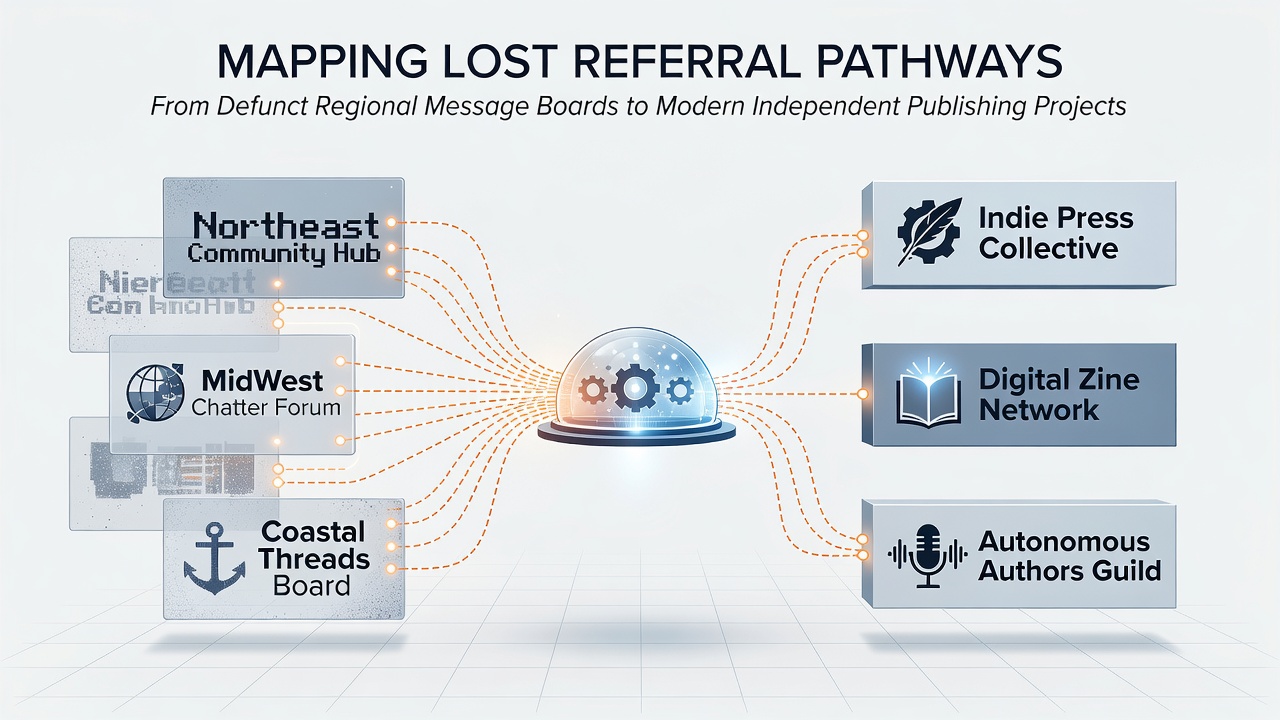
Regional message boards once served as primary hubs for localized discussions across specific geographic areas, where users exchanged recommendations, shared resources, and directed traffic to emerging websites through signature links and thread references. Many of these platforms ceased operations between the mid-2000s and early 2010s as social media platforms consolidated user activity, yet the referral patterns embedded in their archived pages continue to offer measurable pathways to today's independent publishing projects. Researchers have documented how these defunct forums generated consistent inbound links that supported niche content creators who later migrated their operations to standalone domains. Archival services preserve thread structures, user signatures, and embedded hyperlinks from thousands of regional boards that covered topics ranging from local technology troubleshooting to hobbyist communities. Data from these records reveals clusters of referral strings that point directly to early blog posts and resource pages now hosted on independent sites. Observers note that mapping these connections requires cross-referencing Wayback Machine captures with current server logs to identify which legacy domains still receive occasional visits through outdated forum remnants.Archival Techniques for Pathway Reconstruction
Analysts apply systematic crawling methods to extract referral data from preserved forum snapshots, focusing on date-stamped entries that list external URLs alongside user comments. This process identifies patterns where regional boards directed audiences toward specialized guides and project updates that evolved into sustained publishing operations. Tools developed by digital preservation groups allow batch extraction of link destinations, enabling publishers to trace how specific threads influenced long-term visitor acquisition.
One project examined boards from multiple Canadian provinces and found recurring mentions of early open-source documentation sites that later became standalone publishing ventures. Similar examinations conducted on Australian regional forums uncovered comparable referral chains linking hobbyist electronics discussions to modern technical blogs. These mappings rely on consistent URL formatting that persisted across archived pages even after the original forums went offline.
Transition Patterns in Independent Publishing
Independent publishers frequently began as contributors on regional boards before establishing their own domains to control content distribution and monetization. Referral pathways shifted when forum administrators removed external links or when entire platforms shut down, yet residual mentions in cached pages maintained low-volume but targeted traffic streams. Studies of domain registration timelines show that many solo publishing projects registered their primary URLs within months of peak activity on associated regional boards.
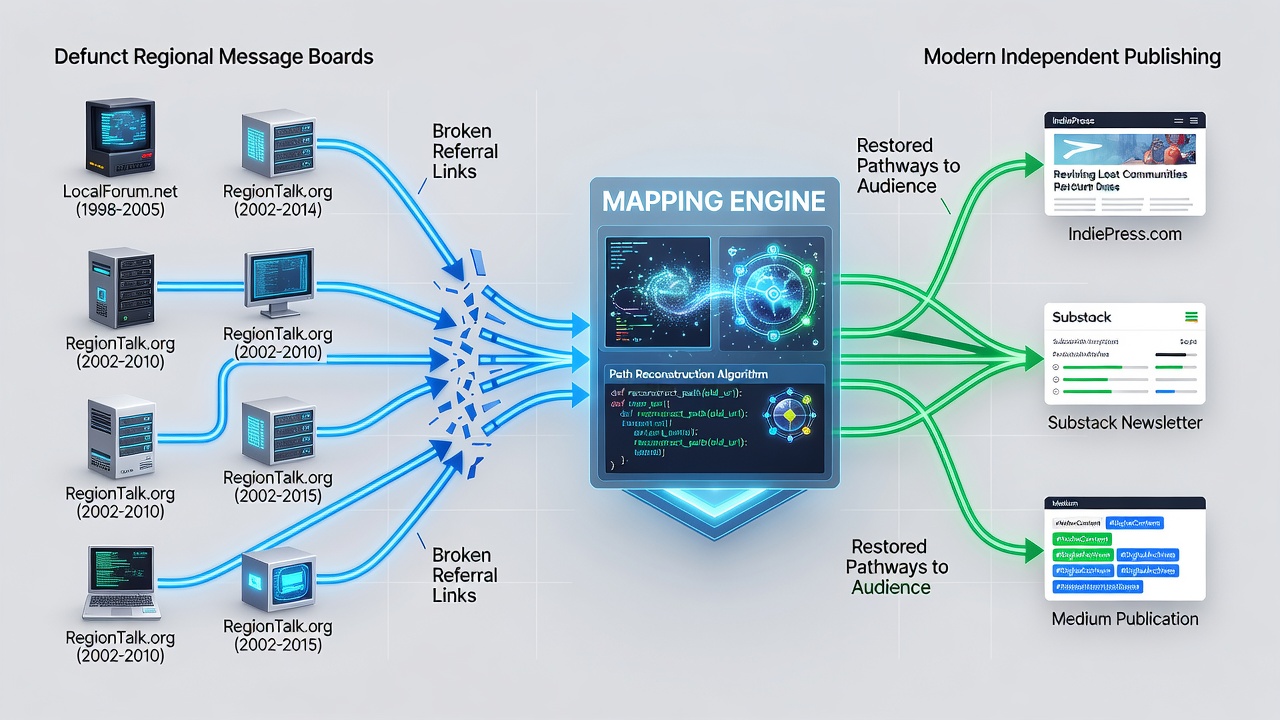
Figures released by the National Archives of Australia in coordination with digital heritage initiatives highlight how forum-based recommendations supported the growth of independent knowledge bases focused on regional history and technical skills. Parallel documentation from Library and Archives Canada tracks similar transitions where message board participants redirected audiences to self-hosted resources after original platforms declined. These records demonstrate that referral continuity depends on the persistence of anchor text and URL structures rather than active forum maintenance.
Current Applications in Traffic Analysis
Webmasters now integrate archived referral data into keyword research workflows by identifying legacy search terms that originated in forum discussions. October 2026 updates to several national digital preservation indexes are expected to expand access to previously restricted forum captures from the early 2000s, providing additional datasets for mapping exercises. Publishers cross-reference these captures against current analytics platforms to quantify the remaining value of defunct board pathways.
Industry reports indicate that independent sites in technical and hobbyist niches continue to receive measurable sessions from archived forum content, particularly when original thread titles align with evergreen search queries. Mapping exercises reveal that geographic specificity in old board names often correlates with sustained regional traffic patterns on modern publishing projects. This correlation holds across multiple language communities where regional forums operated in parallel with English-language platforms.
Conclusion
Systematic mapping of referral pathways from defunct regional message boards supplies independent publishers with historical context for current traffic sources. Archival records combined with contemporary analytics demonstrate measurable continuity between legacy forum activity and ongoing publishing operations. As additional datasets become available through preservation programs, these mappings support more precise attribution of referral value across evolving web structures.